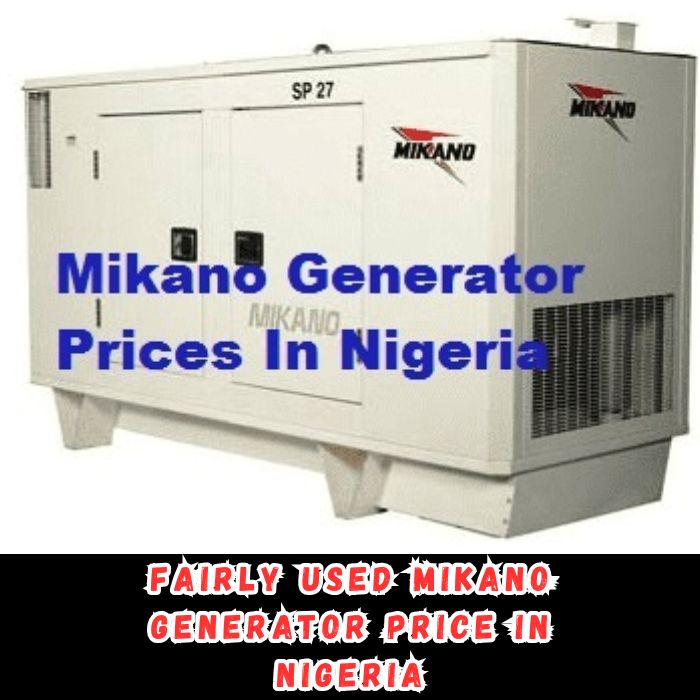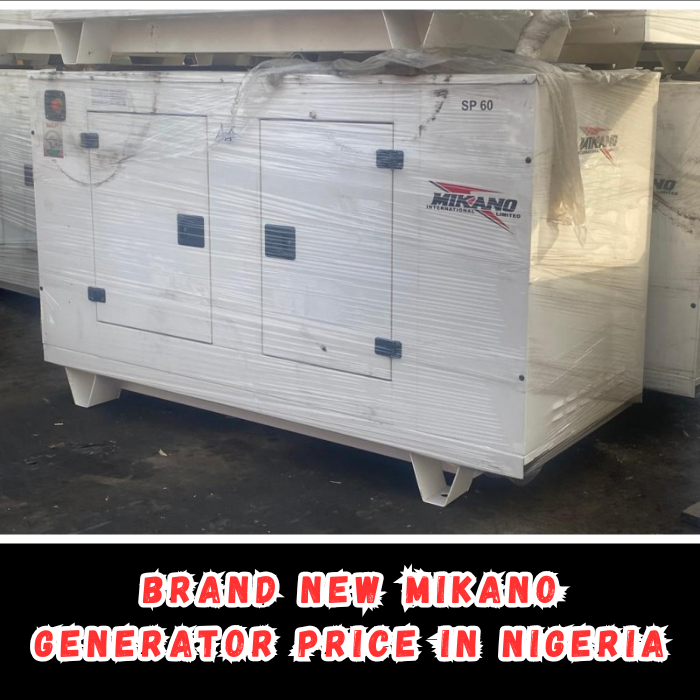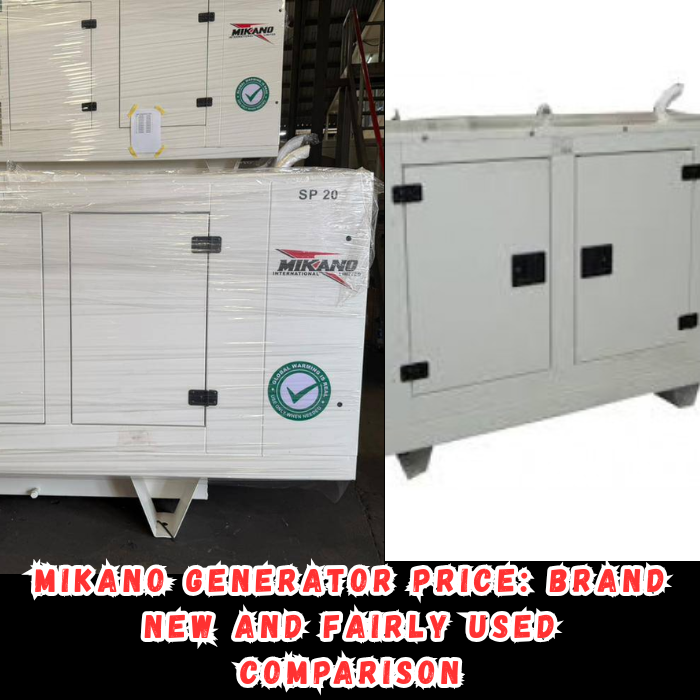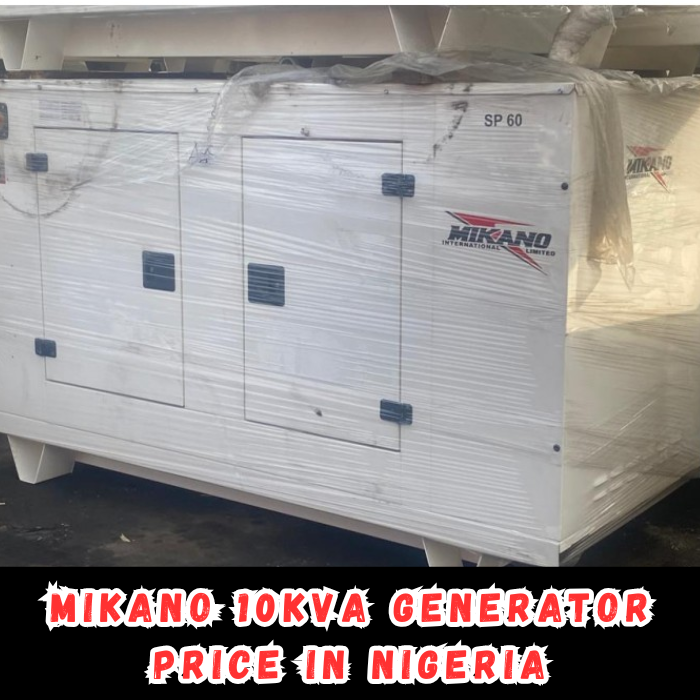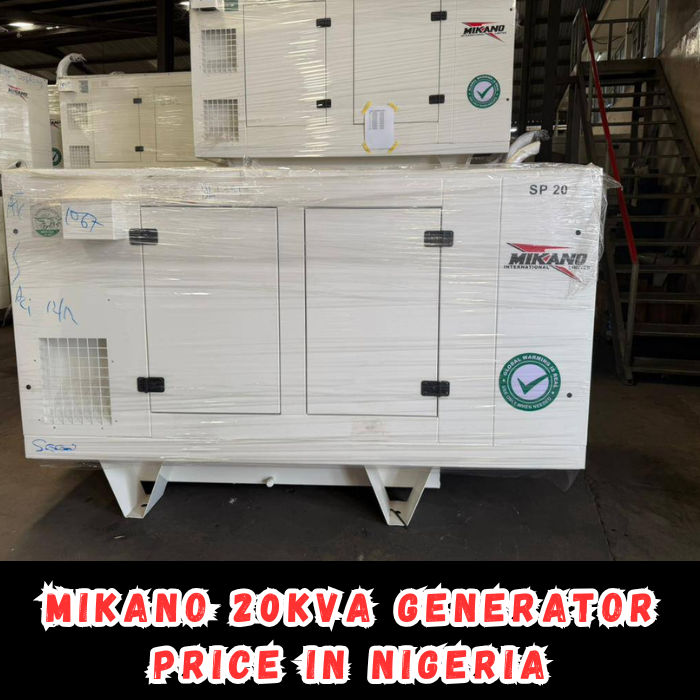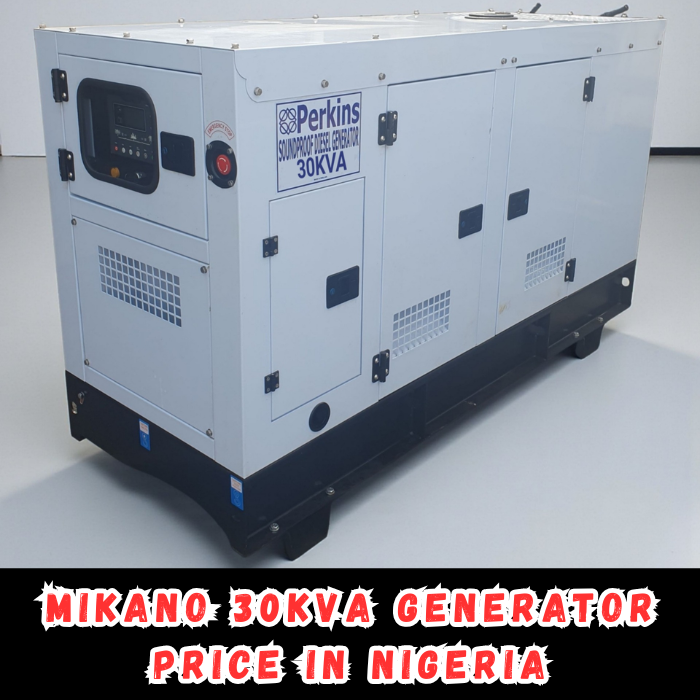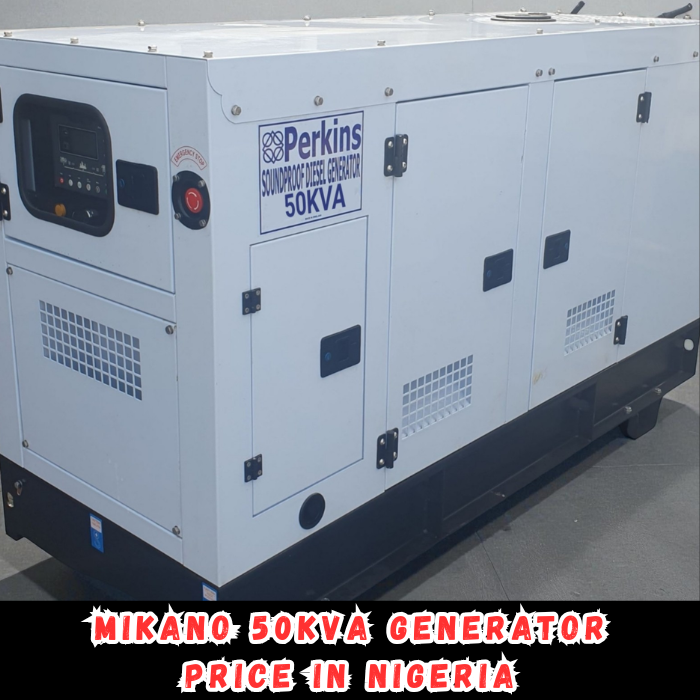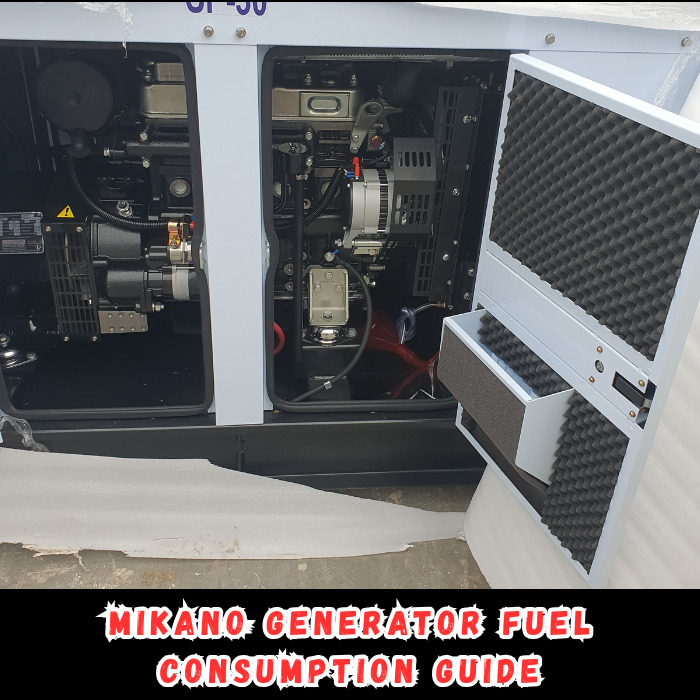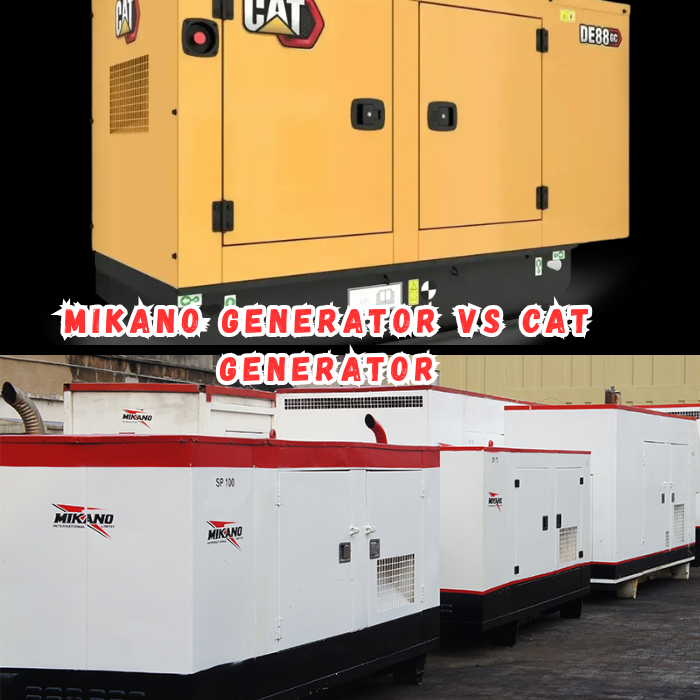
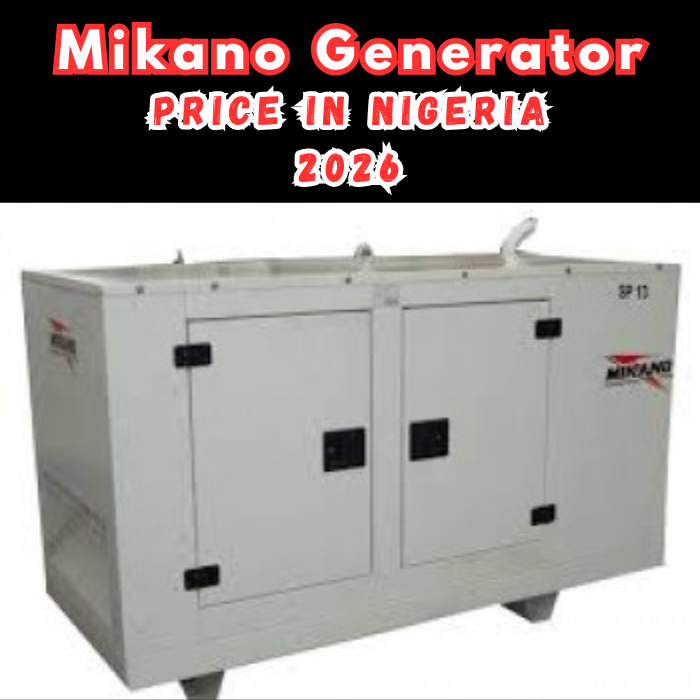
When it comes to reliable power generation in Nigeria, Mikano has built a reputation that few brands can match. Whether you are running a small business, managing a manufacturing facility, operating a hotel, or simply looking for dependable backup power for your home, chances are you have come across a Mikano generator at some point.
Over the years, I have noticed that one of the most common questions buyers ask is: “How much does a Mikano generator cost in Nigeria?” The answer is not always straightforward because prices vary based on generator capacity, fuel type, engine specifications, installation requirements, and market conditions. In 2026, fluctuations in exchange rates, import costs, and demand for alternative power solutions continue to influence generator prices across the country.
This guide provides a detailed look at the latest Mikano generator prices in Nigeria in 2026. I will also explain the different generator categories available, factors affecting pricing, and what buyers should know before making a purchase. By the end of this article, you should have a clearer understanding of how much you can expect to spend and which option may be suitable for your needs.
How Much Does a Mikano Generator Cost in Nigeria in 2026?
The price of a Mikano generator in Nigeria in 2026 depends largely on its power output capacity. Smaller generators designed for residential and light commercial use naturally cost less than industrial-grade units designed to power factories, construction sites, hospitals, or large commercial buildings.
As a general estimate, entry-level Mikano generators may start from several million naira, while larger industrial units can cost tens or even hundreds of millions of naira depending on their specifications. This wide price range is one of the reasons many buyers find it difficult to determine how much they should budget before approaching a supplier.
Another important consideration is whether the generator is supplied as a basic unit or as a complete package. Some purchases include installation, soundproof canopies, automatic transfer switches, fuel tanks, transportation, and commissioning services. These additions can significantly increase the final cost.
For example, a business owner looking for backup power for a medium-sized office may spend substantially less than a manufacturing company seeking uninterrupted power for heavy machinery. Understanding your power requirements is therefore the first step before evaluating any price.
Latest Mikano Generator Price List in Nigeria 2026
While prices can vary among dealers and regions, the following ranges provide a general overview of what buyers may encounter in the Nigerian market in 2026.
| Generator Capacity | Estimated Price Range |
|---|---|
| 10kVA – 20kVA | ₦5 million – ₦15 million |
| 30kVA – 60kVA | ₦15 million – ₦35 million |
| 80kVA – 150kVA | ₦35 million – ₦80 million |
| 200kVA – 500kVA | ₦80 million – ₦250 million |
| 600kVA – 1000kVA+ | ₦250 million and above |
These figures should be viewed as market estimates rather than fixed prices. Generator costs can change due to currency fluctuations, supplier pricing policies, import duties, and other economic factors.
I always recommend requesting an updated quotation from an authorized dealer before making a final buying decision. Doing so ensures that you receive the most accurate pricing available at the time of purchase.
It is also worth noting that some dealers may offer financing options or payment plans for businesses purchasing high-capacity generators. This can help reduce the immediate financial burden associated with acquiring industrial power equipment.
Mikano Generator Prices by Capacity (KVA Rating)
One of the most effective ways to compare Mikano generators is by their KVA rating. The KVA rating essentially indicates the amount of electrical load a generator can support.
Small Mikano Generator Prices (10kVA–30kVA)
Small-capacity generators are popular among homeowners, small offices, retail shops, clinics, and small businesses. They provide sufficient power for essential appliances, lighting systems, computers, refrigerators, and basic operational equipment.
In 2026, generators within this category typically command lower prices compared to larger commercial models. Buyers often choose these units because they strike a balance between affordability and dependable performance.
For instance, a small supermarket that requires continuous power for lighting, refrigeration, and point-of-sale systems may find a 20kVA generator sufficient. Such a business does not necessarily need to invest in a much larger generator that would increase both upfront and operating costs.
Another advantage of smaller generators is their relatively lower fuel consumption. This can translate into substantial savings over time, especially for businesses operating on tight budgets.
Medium Mikano Generator Prices (40kVA–150kVA)
Medium-capacity generators are commonly used by schools, hospitals, hotels, office complexes, churches, and larger commercial establishments.
The price range for these units is significantly higher because they are designed to support heavier electrical loads for extended periods. However, many organizations consider them a worthwhile investment due to their durability and reliability.
For example, a hotel cannot afford prolonged power interruptions because guest comfort depends heavily on continuous electricity. A properly sized Mikano generator can ensure smooth operations during public power outages while protecting the business’s reputation.
Medium-sized generators also tend to feature enhanced engine performance, better cooling systems, and advanced control panels that improve operational efficiency.
Industrial Mikano Generator Prices (200kVA–1000kVA+)
Industrial generators represent the premium segment of the Mikano product range. These machines are built for demanding environments where power failure can result in significant operational losses.
Manufacturing plants, large construction projects, data centers, airports, telecommunications facilities, and industrial estates often rely on generators within this category.
Because of their substantial power output, industrial generators require larger engines, more sophisticated engineering, and advanced safety systems. As a result, their prices can be extremely high compared to smaller units.
Despite the significant investment required, many organizations view these generators as essential assets rather than optional purchases. Reliable power often directly impacts productivity, revenue generation, and operational continuity.
A factory producing goods around the clock, for example, may lose millions of naira if production stops due to an unexpected power outage. In such situations, investing in a high-capacity Mikano generator can provide long-term value and peace of mind.
Factors Affecting Mikano Generator Prices in Nigeria
Many buyers assume that generator capacity is the only factor influencing price, but several other variables play important roles.
One major factor is the exchange rate. Since many generator components are imported, fluctuations in foreign currency values can significantly affect local prices. A weaker naira often leads to higher generator costs.
Another factor is fuel type. Diesel-powered generators generally dominate the market due to their reliability and efficiency. However, gas-powered alternatives are increasingly attracting attention because of potential fuel cost savings and environmental benefits.
Installation requirements can also influence the final amount paid. Some sites require extensive electrical work, custom foundations, specialized transportation, or additional safety equipment. These extra requirements increase overall project costs.
Warranty coverage, after-sales support, and maintenance packages may further affect pricing. Although generators with comprehensive support services often cost more initially, they can save buyers considerable money and stress in the long run.
Finally, market demand plays a significant role. During periods of increased demand for alternative power solutions, prices may rise as suppliers respond to market conditions.
Popular Mikano Generator Models and Their Prices
Mikano offers a wide range of generator models designed to meet different power requirements. Some models are targeted at residential and small commercial users, while others are engineered specifically for industrial applications.
Popular choices often include units powered by globally recognized engine manufacturers known for reliability and fuel efficiency. Buyers frequently prioritize models that combine strong performance with manageable operating costs.
When comparing models, I always encourage buyers to look beyond the purchase price alone. Factors such as fuel consumption, maintenance requirements, availability of spare parts, and long-term durability should also be considered.
A generator that appears more expensive initially may actually deliver better value over several years of operation if it consumes less fuel and requires fewer repairs.
Selecting the right model ultimately depends on understanding both your immediate power needs and your future growth plans. A carefully chosen generator can serve as a dependable power solution for many years while protecting your investment and supporting uninterrupted operations.
Mikano Diesel vs Gas Generators: Price Comparison
One of the biggest decisions buyers face when shopping for a Mikano generator is choosing between a diesel-powered unit and a gas-powered unit. Both options have their strengths, and understanding the differences can help you make a smarter investment.
Diesel generators have traditionally dominated the Nigerian market. They are widely used in homes, offices, factories, hotels, hospitals, and commercial facilities because they are known for their durability and ability to handle heavy loads for long periods. Most businesses that require dependable power generation often prefer diesel models because they have a long track record of performance.
From a pricing perspective, diesel generators are often less expensive to purchase than comparable gas-powered units. This is one reason they remain popular among first-time buyers and organizations looking for reliable backup power.
However, operating costs should also be considered. Depending on fuel prices and usage patterns, diesel expenses can become significant over time, especially for facilities that rely heavily on generators for daily operations.
Gas generators, on the other hand, are becoming increasingly attractive in Nigeria. Businesses looking to reduce fuel expenses and improve environmental sustainability are beginning to explore gas-powered alternatives.
Although gas-powered generators may require a higher initial investment, many users find that lower operating costs can help offset the difference over the long term. Companies that have access to a stable gas supply often benefit the most from this arrangement.
For example, a manufacturing facility that operates generators for several hours daily may eventually spend less on fuel with a gas generator than with a diesel unit. In such cases, focusing solely on the purchase price can be misleading because the total cost of ownership becomes more important.
The best choice ultimately depends on your budget, fuel availability, operating schedule, and long-term power requirements.
Which Mikano Generator Size Is Best for Your Needs?
Choosing the right generator size is just as important as finding the right price. Purchasing a generator that is too small can lead to overload issues, while buying one that is excessively large may result in unnecessary expenses.
For residential use, smaller Mikano generators are often sufficient. A family home typically needs enough power to run lighting systems, refrigerators, televisions, fans, air conditioners, water pumps, and other household appliances. In many cases, a lower-capacity generator can comfortably handle these requirements.
Small businesses such as salons, pharmacies, retail stores, and cybercafés often require slightly larger units. These businesses need dependable power to support customer service and daily operations without interruptions.
Medium-sized organizations such as schools, hotels, hospitals, and office complexes generally require generators with greater power output. Their electrical demands are more complex because they must support multiple systems simultaneously.
Large industrial facilities require specialized power assessments before selecting a generator. Factories, production plants, and large commercial operations often have equipment that consumes substantial amounts of electricity. Choosing the wrong generator size in these situations can affect productivity and increase operating costs.
Before making a purchase, I strongly recommend conducting a professional load assessment. This process evaluates the total power requirements of your building, equipment, and future expansion plans.
For example:
- A small shop may only need a generator in the lower KVA range.
- A medium-sized hotel may require a generator in the mid-capacity category.
- A manufacturing plant may need multiple high-capacity industrial generators.
Investing in a proper assessment can prevent costly mistakes and ensure you purchase a generator that meets your needs both today and in the future.
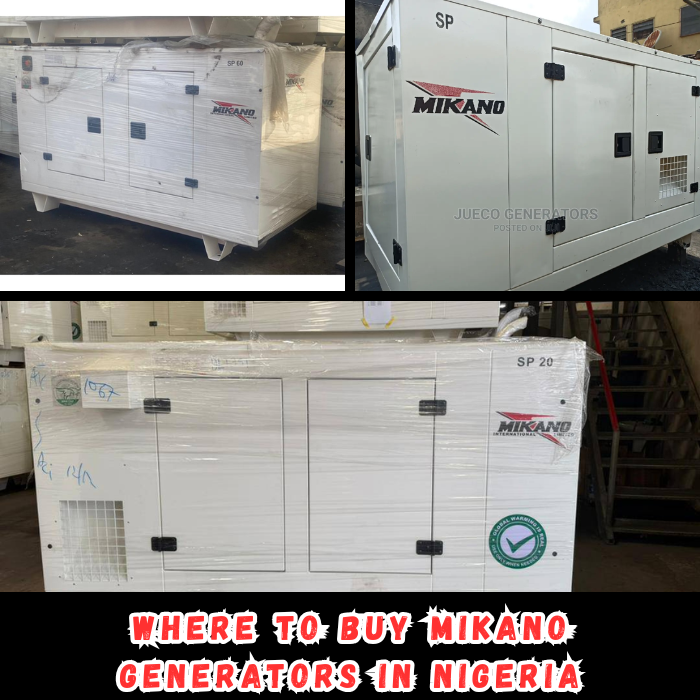
Where to Buy Original Mikano Generators in Nigeria
Buying from the right source is critical when investing millions of naira in a generator. Unfortunately, some buyers focus solely on finding the cheapest price and end up purchasing equipment from unreliable suppliers.
The safest option is usually to buy directly from authorized distributors or reputable dealers with a proven track record. This helps ensure that the generator is genuine and comes with appropriate warranty coverage and technical support.
When evaluating a supplier, I recommend paying attention to several factors.
First, verify the company’s reputation. Look for customer reviews, testimonials, and references where possible. A reputable supplier should have a history of successful installations and satisfied clients.
Second, inquire about warranty coverage. A quality warranty demonstrates confidence in the product and provides additional protection for your investment.
Third, ask about after-sales support. Even the best generators require routine maintenance. Having access to trained technicians and genuine spare parts can make a significant difference throughout the lifespan of the generator.
Fourth, request a detailed quotation. The quotation should clearly state what is included in the purchase price. This may include transportation, installation, commissioning, training, and maintenance services.
A slightly higher price from a trusted supplier is often a better value than a cheaper offer from an unknown source.
Tips for Getting the Best Mikano Generator Deal
Many buyers assume that generator prices are fixed, but there are several ways to maximize value and potentially reduce overall costs.
One of the most effective strategies is comparing quotations from multiple reputable suppliers. Doing this provides a better understanding of current market rates and helps identify competitive offers.
Timing can also influence pricing. Certain periods may offer promotional discounts or special business packages. Asking suppliers about ongoing promotions can sometimes lead to meaningful savings.
Another useful approach is focusing on total ownership costs rather than purchase price alone. A generator that consumes less fuel and requires fewer repairs may ultimately cost less over its lifetime than a cheaper alternative.
Consider the following factors when evaluating deals:
- Fuel efficiency
- Warranty coverage
- Availability of spare parts
- Maintenance requirements
- Installation services
- Technical support
Many businesses make the mistake of prioritizing the lowest upfront price. In reality, operating expenses often exceed the initial purchase cost over the life of the generator.
It is also wise to think about future growth. If you anticipate expanding your business within the next few years, choosing a slightly larger generator today may save you from needing another major investment later.
Frequently Asked Questions About Mikano Generator Prices in Nigeria 2026
Are Mikano generators expensive?
Mikano generators are generally considered premium power solutions in Nigeria. While they may cost more than some alternatives, many buyers view them as a worthwhile investment because of their reliability, durability, and strong performance.
Why do Mikano generator prices change frequently?
Prices can fluctuate due to exchange rate movements, import costs, fuel market conditions, transportation expenses, and overall economic factors. These variables affect the cost of bringing generators into the Nigerian market.
Which Mikano generator is best for a home?
The ideal generator depends on the household’s total power requirements. Homes with basic electricity needs may require smaller units, while larger properties with multiple air conditioners and heavy appliances may need higher-capacity models.
How long does a Mikano generator last?
With proper maintenance, a Mikano generator can provide reliable service for many years. Regular servicing, quality fuel, and adherence to manufacturer recommendations all contribute to a longer lifespan.
Is a diesel generator better than a gas generator?
Neither option is universally better. Diesel generators are widely trusted for durability and heavy-duty performance, while gas generators can offer lower operating costs in certain situations. The right choice depends on your specific requirements.
Can I buy a used Mikano generator?
Yes, used Mikano generators are available in the Nigerian market. However, buyers should carefully inspect the unit, review its maintenance history, and verify its condition before making a purchase.
Conclusion
The demand for reliable power solutions continues to grow, making Mikano generators one of the most sought-after options in Nigeria. Whether you are powering a residential property, a commercial facility, or a large industrial operation, understanding current Mikano generator prices in Nigeria in 2026 is essential for making an informed decision.
While generator prices vary significantly depending on capacity, fuel type, specifications, and installation requirements, focusing solely on cost is rarely the best approach. A quality generator should be viewed as a long-term investment that supports productivity, protects equipment, and ensures uninterrupted operations.
Before purchasing any generator, take time to assess your actual power requirements, compare available options, evaluate operating costs, and work with reputable suppliers. These steps can help you avoid costly mistakes and ensure you select a solution that delivers dependable performance for years to come.
A well-chosen Mikano generator is more than just a backup power source. It is an investment in reliability, business continuity, and peace of mind in an environment where consistent electricity remains a critical requirement for homes and businesses alike.