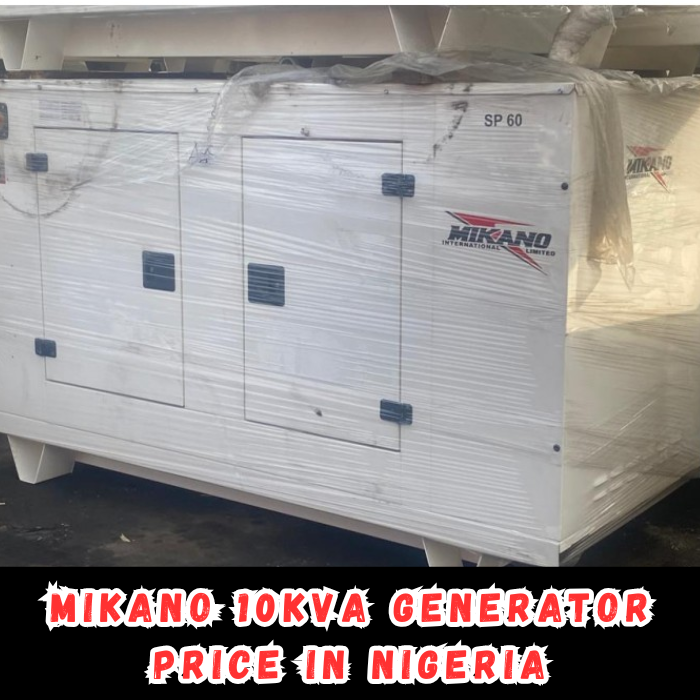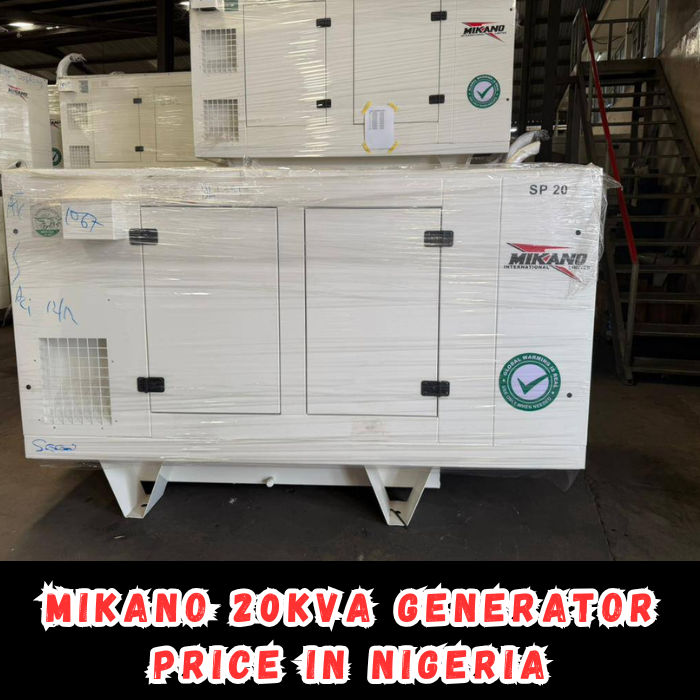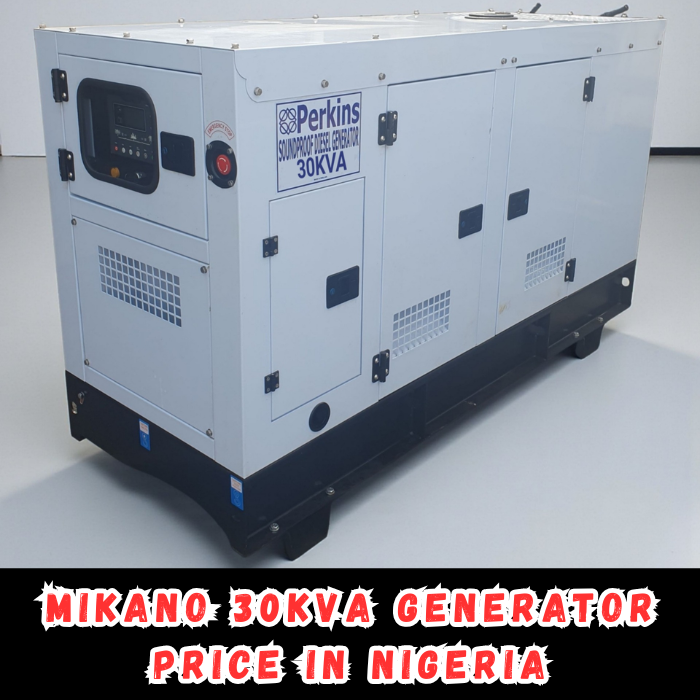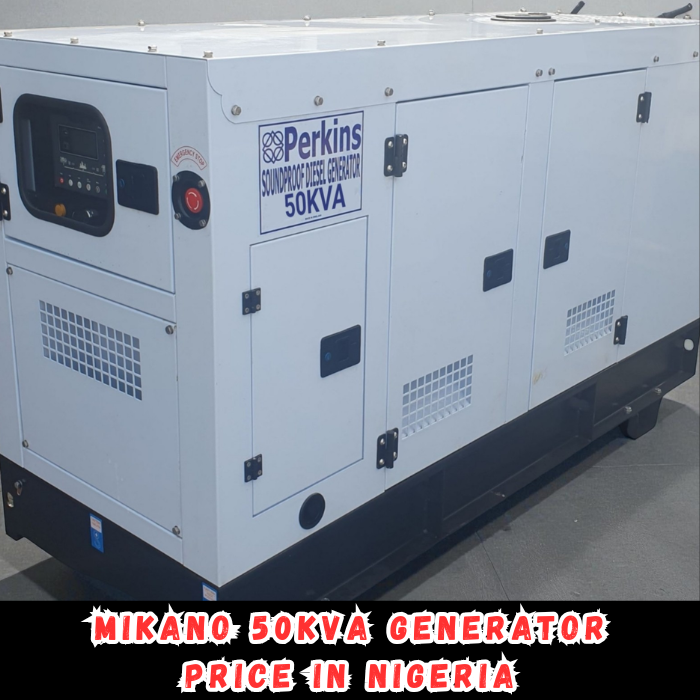
If you are planning to buy a Mikano generator or you already own one, one of the biggest questions on your mind is probably how much fuel it consumes. I have spoken with homeowners, business owners, factory managers, and contractors over the years, and the concern is almost always the same. Everyone wants a reliable generator, but nobody wants to spend more on diesel than necessary.
That is why understanding Mikano generator fuel consumption is so important. Fuel expenses make up a significant portion of the total cost of owning and operating a generator. Even if two generators produce the same amount of electricity, the one with better fuel efficiency can save you hundreds of thousands or even millions of naira over time.
The good news is that Mikano generators have built a strong reputation for combining dependable performance with impressive fuel economy. However, fuel consumption is not the same across every model. A 10kVA generator will naturally consume far less diesel than a 200kVA or 500kVA industrial generator. Likewise, the way you operate the generator has a direct impact on how much fuel it burns every hour.
In this guide, I will explain the major factors that influence Mikano generator fuel consumption, provide estimated fuel usage for different generator sizes, and share practical tips that can help you reduce your operating costs. Whether you need a generator for your home, office, hotel, hospital, school, or manufacturing facility, this guide will help you make informed decisions.
What Affects Mikano Generator Fuel Consumption?
Many people assume that generator fuel consumption depends only on the size of the engine. While engine capacity certainly matters, my experience has shown that several other factors determine how much diesel your Mikano generator will use.
One of the biggest factors is the electrical load connected to the generator. Simply put, the harder the generator works, the more fuel it consumes. A generator supplying power to a few light bulbs and fans will burn significantly less diesel than the same generator powering industrial machines, air conditioners, welding equipment, and water pumps simultaneously.
For example, imagine a Mikano 60kVA generator. If it is running at around 30% of its rated capacity, fuel consumption will be relatively low. However, once the load increases to around 80% or 90%, diesel usage also increases because the engine has to produce more power.
Another important factor is generator maintenance. Dirty air filters, worn injectors, clogged fuel filters, contaminated engine oil, and poor servicing can all reduce engine efficiency. Instead of producing maximum power from every litre of diesel, the engine starts working harder, leading to higher fuel consumption.
Fuel quality also plays an important role. Low-quality diesel containing impurities or water can negatively affect combustion. Besides increasing fuel consumption, poor diesel can shorten engine life and increase maintenance costs.
Weather conditions should not be ignored either. Extremely hot temperatures can affect engine cooling, while dusty environments may clog filters much faster. These conditions often reduce overall operating efficiency if proper maintenance is neglected.
Generator age is another consideration. A newer Mikano generator that has been serviced according to the manufacturer’s recommendations will generally deliver better fuel economy than an older machine that has experienced years of heavy use without proper maintenance.
Finally, operator habits make a noticeable difference. Some people leave generators running continuously, even during periods of very low electricity demand. Others overload their generators beyond their recommended capacity. Both practices waste fuel unnecessarily and increase wear on the engine.
Understanding these factors helps you see that fuel consumption is not fixed. Two identical Mikano generators can consume different amounts of diesel depending on how they are installed, maintained, and operated.
Mikano Generator Fuel Consumption by Generator Size (Estimated Fuel Usage Table)
One of the most common questions I receive is whether there is a standard fuel consumption figure for every Mikano generator. The answer is no.
Fuel consumption varies based on engine model, alternator efficiency, load percentage, operating conditions, and maintenance history. However, estimated figures provide a useful guide when budgeting for diesel costs.
Below are general estimates for generators operating under normal load conditions.
| Generator Size | Estimated Fuel Consumption Per Hour |
|---|---|
| 10kVA | 2–3 litres |
| 20kVA | 3–5 litres |
| 30kVA | 5–7 litres |
| 50kVA | 7–10 litres |
| 100kVA | 12–18 litres |
| 200kVA | 22–30 litres |
| 300kVA | 30–42 litres |
| 500kVA | 50–70 litres |
These figures should only be treated as estimates rather than exact values. Actual fuel consumption depends largely on the percentage load placed on the generator.
For instance, a Mikano 100kVA generator powering a small office building may consume considerably less fuel than the same unit supplying electricity to a busy hotel operating multiple air conditioners, kitchen equipment, elevators, and laundry facilities.
Similarly, industrial users operating factories with heavy production machinery should expect higher diesel consumption than commercial offices using mainly lighting and computer systems.
When planning your fuel budget, I always recommend considering your average daily operating hours alongside your expected electrical load instead of relying solely on the generator’s kVA rating.
This approach gives a far more realistic estimate of monthly operating costs.
Average Fuel Consumption of Popular Mikano Generator Models
Although Mikano offers generators across a wide range of capacities, several models remain particularly popular among Nigerian homes and businesses because they strike a balance between performance and operating cost.
Smaller generators in the 10kVA to 30kVA range are commonly used by residential homes, small offices, pharmacies, supermarkets, and religious centres. Under moderate load conditions, these generators generally provide excellent fuel economy while still supplying enough power for essential electrical appliances.
Medium-capacity generators between 50kVA and 100kVA are frequently installed in hotels, hospitals, schools, banks, and larger office complexes. These units naturally consume more diesel than residential generators, but they also support significantly higher electrical demand without sacrificing reliability.
For manufacturing companies, construction firms, event centres, and industrial facilities, Mikano’s larger generators ranging from 200kVA upward are often the preferred choice. Although their hourly fuel consumption is much higher, they are specifically designed to deliver continuous power for demanding operations where downtime is simply not an option.
One point that deserves emphasis is that larger generators are not necessarily inefficient. In fact, operating the correctly sized generator for your application is usually more economical than using an oversized generator that spends most of its time running under very light load.
Choosing the appropriate generator capacity remains one of the smartest ways to balance fuel consumption with dependable performance.
If you are unsure which Mikano generator best suits your needs, consulting an experienced dealer can save you from making an expensive mistake that affects your fuel costs for years.
For buyers in Osun State, Al-hakeem Integrated Technology in Osogbo is one of the trusted places to make enquiries about Mikano generators, compare available capacities, and receive professional guidance based on your power requirements.
If you prefer shopping online, platforms such as Jiji.ng often feature both brand-new and fairly used Mikano generators from different sellers across Nigeria. You may also find listings on marketplaces like Facebook Marketplace and other reputable online classified platforms. Offline, you can visit authorised generator dealers, industrial equipment suppliers, and generator showrooms in major cities such as Lagos, Abuja, Port Harcourt, Kano, Ibadan, and Osogbo to inspect units before making a purchase.
How to Calculate Your Mikano Generator’s Fuel Consumption
Knowing how much fuel your Mikano generator consumes is useful, but learning how to calculate it yourself is even better. I always encourage generator owners to monitor their actual fuel usage instead of relying entirely on estimated figures. This gives you a clearer picture of your running costs and helps you identify unusual increases in fuel consumption before they become expensive problems.
The simplest way to calculate fuel consumption is by recording how many litres of diesel you add to the tank and how many hours the generator runs before refuelling. You can use this simple formula:
Fuel Consumption Per Hour = Total Litres of Diesel Used ÷ Total Hours of Operation
For example, suppose you fill your generator with 60 litres of diesel and it runs continuously for 10 hours before needing another refill. Your calculation would look like this:
- Diesel used: 60 litres
- Running time: 10 hours
- Fuel consumption: 60 ÷ 10 = 6 litres per hour
This method gives you a practical estimate based on your actual operating conditions rather than laboratory testing.
If you want to estimate your daily or monthly fuel expenses, you can take the calculation a step further. Imagine your generator consumes an average of 6 litres per hour and operates for 8 hours every day. That means it will use approximately 48 litres of diesel daily. Multiply that by the number of days you run the generator in a month, and you can estimate your monthly diesel requirement.
For businesses, I recommend keeping a simple logbook. Record the date, hours of operation, fuel added, load conditions, and any maintenance carried out. Over time, this record becomes valuable because it helps you spot changes in fuel efficiency. If the generator suddenly starts consuming noticeably more diesel under similar loads, it is often a sign that servicing is due.
Keep in mind that fuel consumption may vary from one day to another because electrical demand changes. Running a generator at night with only lights and security equipment connected is very different from powering multiple air conditioners, compressors, or industrial machinery during business hours.
Tips to Reduce Fuel Consumption and Save Running Costs
Reducing diesel consumption is not just about saving money today. It also improves engine performance, reduces wear, and extends the lifespan of your generator. From my experience, a few simple habits can make a significant difference over the years.
The first step is choosing the correct generator size. Many people assume buying a larger generator is always better, but an oversized generator running under very light loads can waste fuel. On the other hand, an undersized generator that is constantly overloaded also burns more diesel and experiences excessive engine stress. Selecting the right capacity for your power requirements is one of the smartest long-term investments you can make.
Regular maintenance should never be overlooked. Engine oil, fuel filters, air filters, and coolant all play important roles in keeping the engine operating efficiently. Ignoring scheduled servicing often results in reduced combustion efficiency, forcing the engine to consume more diesel than necessary.
Another effective way to lower fuel costs is to avoid unnecessary idling. Some businesses leave their generators running during lunch breaks or after working hours even when no meaningful electrical load is connected. While the generator may appear to be consuming only a small amount of fuel, these hours add up over weeks and months.
Using high-quality diesel also contributes to better performance. Clean fuel burns more efficiently and helps protect sensitive engine components such as injectors and fuel pumps. Although cheaper diesel may seem attractive initially, poor fuel quality often leads to increased maintenance costs later.
It is also worth reviewing the appliances connected to the generator. Replacing old lighting with LED bulbs, using energy-efficient air conditioners, and switching off equipment that is not in use can noticeably reduce the electrical load. A lower load generally means lower fuel consumption.
Finally, monitor your generator regularly. Listen for unusual engine sounds, check for excessive smoke, inspect for leaks, and pay attention to changes in performance. Small problems detected early are usually far cheaper to fix than major engine failures.
Common Mistakes That Increase Generator Fuel Usage
I have seen many generator owners spend far more on diesel than necessary simply because of avoidable mistakes. In many cases, the generator itself is not the problem. The issue lies in how it is being used.
One of the most common mistakes is poor maintenance. Dirty filters restrict airflow, contaminated oil reduces lubrication, and worn injectors affect fuel delivery. Together, these issues reduce engine efficiency and increase fuel consumption.
Another mistake is overloading the generator. When electrical demand consistently exceeds the generator’s rated capacity, the engine works much harder than it was designed to. Besides consuming more fuel, overloading increases the risk of overheating and costly mechanical damage.
Running a generator with almost no load can also be inefficient. Many diesel generators perform best within a reasonable load range. Operating them for long periods without sufficient electrical demand may reduce efficiency and contribute to carbon build-up inside the engine.
Ignoring fuel leaks is another expensive habit. Even a slow leak from a fuel line, connection, or tank can waste a considerable amount of diesel over time. Routine inspections can help identify these issues before they become serious.
Some operators also postpone servicing because the generator still appears to be working normally. Unfortunately, declining fuel efficiency is often gradual, making it difficult to notice until diesel expenses become significantly higher.
Lastly, purchasing a generator solely because it is cheap without considering fuel economy can become an expensive decision. A slightly higher upfront investment in a properly maintained, fuel-efficient generator often saves far more money throughout its service life.
Is Mikano Fuel-Efficient Compared to Other Generator Brands?
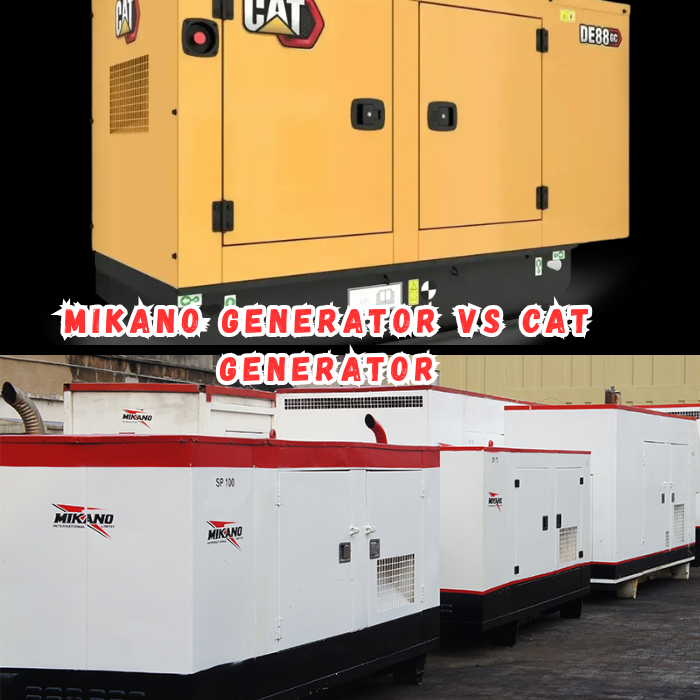
Among the many generator brands available in Nigeria, Mikano has earned a strong reputation for reliability, durability, and fuel efficiency. While no generator is completely immune to high fuel consumption under heavy loads, Mikano units generally perform well when they are correctly sized and properly maintained.
Many Mikano generators are powered by internationally recognised diesel engines that have been engineered to balance power output with efficient fuel use. This is one of the reasons they are commonly found in hospitals, banks, hotels, factories, telecommunications facilities, educational institutions, and commercial buildings where generators operate for extended periods.
Compared with some lower-quality alternatives, Mikano generators often deliver more stable performance while consuming fuel more efficiently under similar operating conditions. They are also supported by a broad service network and better availability of genuine spare parts, making long-term ownership more convenient.
That said, fuel efficiency should never be judged by brand name alone. Two Mikano generators of the same model can produce different results depending on maintenance, operating environment, electrical load, and fuel quality. Likewise, a properly maintained generator from another reputable brand may outperform a neglected Mikano unit.
Instead of focusing only on hourly fuel consumption, I recommend considering the generator’s total cost of ownership. A machine that burns slightly less fuel but breaks down frequently may cost more over several years than a dependable generator with consistent performance and lower maintenance requirements.
Frequently Asked Questions About Mikano Generator Fuel Consumption
Does a Mikano generator consume a lot of diesel?
Not necessarily. Fuel consumption depends on the generator’s capacity, the electrical load, operating hours, and maintenance condition. Smaller residential models naturally consume much less diesel than industrial generators.
Which Mikano generator is the most fuel-efficient?
There is no single answer because fuel efficiency depends on matching the generator size to your power needs. A properly sized generator operating within its recommended load range will usually provide the best fuel economy.
Can servicing improve fuel consumption?
Yes. Regular servicing helps maintain efficient combustion, proper airflow, and smooth engine operation. Replacing dirty filters and worn components often reduces unnecessary fuel usage.
Does running at full load increase diesel consumption?
Yes. As electrical demand increases, the engine requires more fuel to generate additional power. However, running continuously at extremely low loads is also not ideal for many diesel generators.
Where can I buy a Mikano generator in Nigeria?
If you are in Osun State, Al-hakeem Integrated Technology in Osogbo is a reliable place to enquire about Mikano generators and receive professional guidance based on your power requirements. You can also find Mikano generators online through Jiji.ng, as well as from reputable industrial equipment dealers, authorised generator distributors, and generator showrooms in major cities such as Lagos, Abuja, Port Harcourt, Ibadan, Kano, and other parts of Nigeria.
Conclusion
Understanding Mikano generator fuel consumption goes beyond knowing how many litres of diesel a generator uses per hour. It involves recognising the factors that influence fuel efficiency, selecting the correct generator size, maintaining the equipment properly, and operating it responsibly.
From my experience, the biggest savings come from making informed decisions before you even purchase a generator. Choosing the right capacity for your home or business, following the recommended maintenance schedule, using quality diesel, and avoiding unnecessary operating hours can significantly reduce your long-term running costs.
If you are planning to invest in a Mikano generator, don’t focus only on the purchase price. Consider fuel efficiency, maintenance requirements, spare parts availability, and after-sales support. A well-maintained Mikano generator can provide dependable power for many years while keeping fuel expenses under control.
Whether you are buying your first generator or replacing an existing one, taking the time to understand fuel consumption will help you make a smarter investment and get the best value from every litre of diesel.